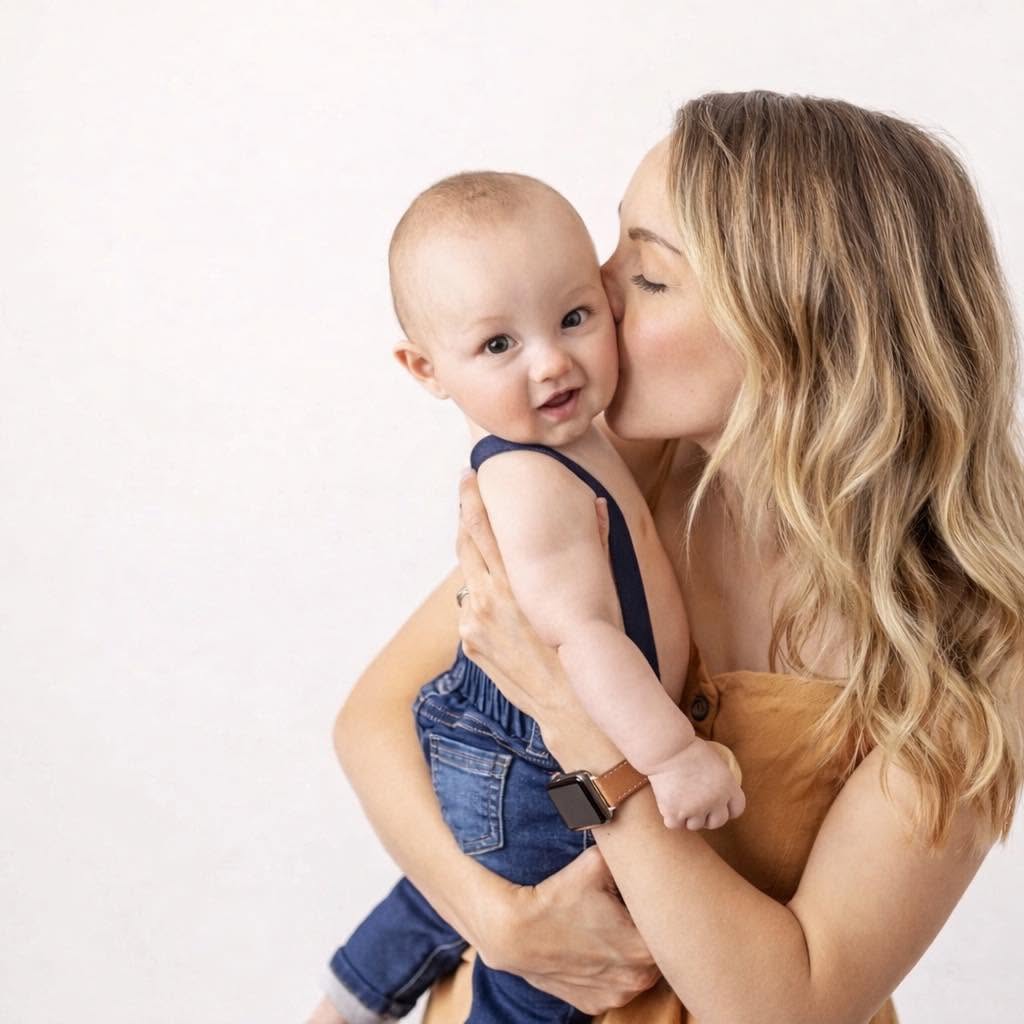

I'm a 36-year-old mom of five, and I've been a mom for 13½ years. Before that, I worked with children in various capacities for over 24 years — as a nanny and babysitter for more than 13 of those years — and my college degree was centered around child development. I share all of this not to boast, but to give you some context: I had a lot of experience with children and sleep long before I ever became a certified sleep consultant. I've seen what works and what doesn't. I've learned from both successes and mistakes. And I've worked with many different types of parents across all kinds of situations.
By the time I earned my certification, I already came in with a strong foundation and a lot of opinions about how sleep should be approached with children. What I wasn't prepared for was the unexpected challenge that followed.
The Problem I Didn't See Coming
In the two years since I became certified, I've spent far more time educating the public about what I do — and what I don't do — than I have actually working with families. And please don't misunderstand me: I believe education is essential, and I'm genuinely happy to do it. But there are moments when it feels disheartening, because I know there are families out there who truly need help and aren't reaching out — not because they don't need it, but because they're afraid of what "sleep training" might mean.
And honestly? I get it.
The Term Has Baggage
There are so many methods out there for getting babies and young children to sleep, and not all of them are safe or supportive. I don't blame parents for being hesitant when someone comes along promoting "sleep training" — because depending on who's doing it, that term can mean very different things, some of which are genuinely uncomfortable for families.
So rather than continue spending energy trying to redefine a term that already carries so much weight in people's minds, I've made a decision: I'm retiring "sleep training" from my vocabulary.
Introducing: Sleep Skill Building
Going forward, I'll be calling what I do sleep skill building — because when it's done right, that's exactly what it is.
Think about how we approach other skills our children are learning. When a baby is working on crawling, or a toddler is learning to walk, or a child is figuring out how to ride a bike, we don't just walk away and say "good luck!" We model the skill for them. We stay close to keep them safe. We cheer them on through every wobbly, uncertain attempt until they finally get it.
That's exactly how I want teaching sleep to feel.
Sleep is a skill — and every child has to learn it. But the way they learn it can be safe, gentle, and supported. Mom and dad can be right there, nearby and cheering them on, every step of the way. My goal in working with families always comes back to three things:
- I want children to be safe.
- I want the connection between parents and their children to stay strong and secure.
- I want to give children the time and space they need to develop this skill — just like any other skill they're learning.
A Note on Past Content
You'll still see the term "sleep training" throughout my older blog posts, videos, and social media content — and that's okay. I stand fully behind everything I've shared. But moving forward, you'll hear me say sleep skill building, and now you know exactly why.
If this resonates with you, or if you've been on the fence about reaching out because you weren't sure what working with a sleep consultant actually looks like, I'd love to connect. I promise it's nothing to be afraid of.